Understanding Coffee Extraction for Better Brewing Results

Written by
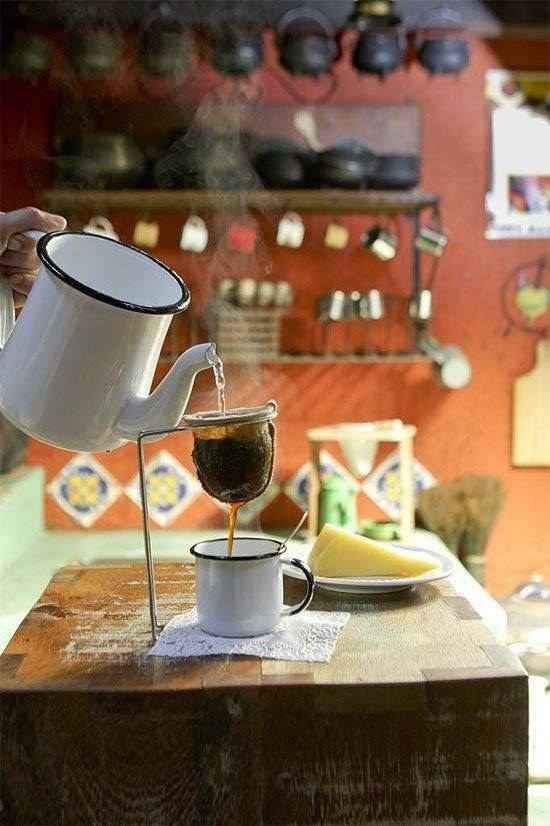
What Is Coffee Extraction and Why It Matters
Coffee extraction is the process of dissolving soluble compounds from ground coffee beans into water, creating the beverage you enjoy. These https://www.moodtrapcoffeeroasters.com/ compounds include oils, acids, sugars, and plant fibers that determine flavor, aroma, and body. Proper extraction balances these elements, while under-extraction yields sour, salty, or grassy notes, and over-extraction produces bitter, hollow, or astringent tastes. Understanding extraction empowers you to adjust brewing variables and achieve consistent, delicious results.
Key Variables That Control Extraction
Several factors influence how much and how quickly compounds dissolve. Water temperature is critical: 195°F to 205°F (90°C to 96°C) is ideal. Cooler water under-extracts, while hotter water over-extracts. Grind size affects surface area exposure—finer grinds extract faster, coarser grinds slower. Brew time must match grind size; espresso (fine grind) needs 25–30 seconds, while French press (coarse grind) requires 3–4 minutes. Agitation, such as stirring, increases extraction rate, and water mineral content (magnesium and calcium) enhances flavor pickup.
The Golden Ratio and Strength Balance
Extraction yield refers to the percentage of coffee mass dissolved, ideally 18–22%. Strength, or total dissolved solids (TDS), should range from 1.15% to 1.45% for filter coffee. The golden ratio of coffee to water is 1:16 to 1:18 (e.g., 18g coffee per 300g water). If strength is too low, increase coffee dose; if extraction is off, adjust grind or time. Use a refractometer to measure TDS precisely, or rely on taste: balanced extraction delivers sweetness, acidity, and bitterness in harmony.
Common Extraction Problems and Fixes
Sour or salty coffee indicates under-extraction. Fix by using hotter water, finer grind, longer brew time, or more agitation. Bitter or empty coffee signals over-extraction. Remedy with cooler water, coarser grind, shorter brew time, or less stirring. Uneven extraction, where some grounds over-extract while others under-extract, often results from inconsistent grind size or poor water distribution. Upgrade your burr grinder and pour water slowly in circles. Channeling in espresso causes localized over-extraction; improve puck preparation with even tamping.
Practical Steps to Master Your Brew
Start with fresh, specialty-grade beans roasted within 2–4 weeks. Clean your grinder and brewer thoroughly. Choose one brew method (e.g., pour-over, Aeropress, or French press) and keep variables constant while changing only one factor at a time. Take notes on taste, extraction time, and adjustments. Use a kitchen scale for accuracy. After several trials, you will recognize ideal extraction by a smooth, complex, and lasting aftertaste. This skill transforms average mornings into exceptional coffee experiences.
Join the discussion